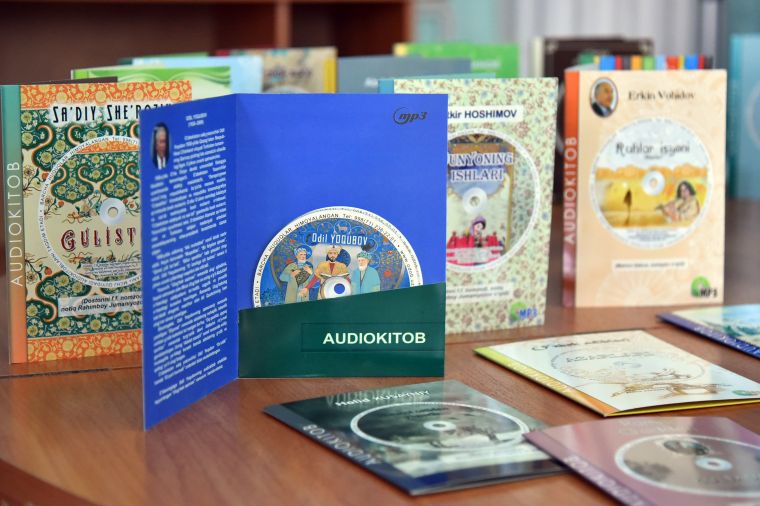
Uzbek literature Literature and art of Uzbekistan is called one of the bright and wonderful pages of the history of the world artistic culture. Along with Egypt and Mesopotamia, Greece and Rome, India and China, Central Asia laid the foundations of human civilization. The emergence of a cultural phenomenon in Uzbekistan is mainly due to its geographical Mesopotamia, where agricultural centers have been location in the Central Asian formed since ancient times. Uzbek literature history The most ancient Uzbek oral literary works are over 200 epic poems, many legends, epic songs performed by folk poets - bakhshi. Heroes of folklore struggle with hostile forces evil spirits, dragons. The oldest cycle of epic poems Ker-ogly and the poem Alpamysh were written around the 10th century. Alpamysh went in the folklore of all the peoples of Central Asia. It talks about the courage of folk heroes, courage and hatred of enemies; it contains many witty aphorisms, vivid metaphors, colorful descriptions. Another popular work from the cycle Ker-ogly is a poem about the transforming power of love of Ravshan-Hon. Many times later it was processed by folk poets. The satirical novels of Nasreddin Afandi, in which the khans and bais are derided, are popular. In the oral Uzbek literature, people of different nationalities - Chinese, Iranian, Turkmen, Negro, etc., female images are devoid of sentimentality. In the XI century, many works are created, based on religious norms of Islamic morality. These are the instructive poems "Kugadau Bilig" ("Knowledge of Grace" or "Science of Happiness") by Yusuf Khas Hadjib Balasaguni, the poem "Khibat al-Khakaik" ("Gift of Truths") by Ahmad Yugnaki.
Prepeared by Imam Bukhari Tashkent Islamic Institute , Department of languages , English teacher Kadirov Farrukh
An international media forum titled “Islamic Civilization: A New Perspective, New Discoveries” will be held in Tashkent from August 24 to 29, reports Dunyo IA.
According to Jordan’s news agency “Petra” and online publication “Hala Ahbar”, the event will bring together representatives of international media outlets, experts and media professionals.
The main events will take place at the Center for Islamic Civilization in Uzbekistan. The program will include plenary sessions, media exhibitions, press briefings and bilateral meetings focusing on documentary filmmaking, historical memory, publishing projects, modern technologies and international media cooperation.
The forum will also feature master classes for Uzbek students led by international specialists in journalism and media production.
Participants will visit Samarkand and the Imam Bukhari Complex. A special media tour will also be organized in Tashkent for representatives of international media outlets.
The forum will conclude on August 28 with a final plenary session and closing ceremony. International guests will also take part in events marking the 35th anniversary of Uzbekistan’s independence.