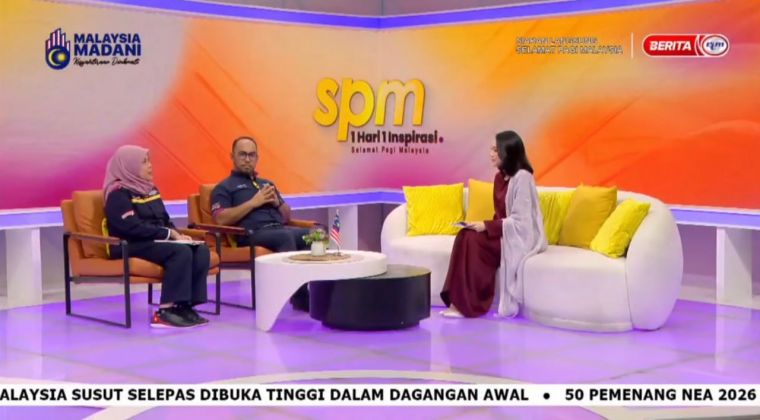
Ahead of the 35th Anniversary of Uzbekistan's Independence, a special report titled “New Uzbekistan – Center of Pilgrimage Tourism in the Digital World” was broadcast on the national television channel of Malaysia, “Berita RTM”, reports Dunyo IA.
Within the framework of the television report, Professor Badrul Bin Isa, Head of the Malaysian Academy of SME and Entrepreneurship Development (MASMED) at Universiti Teknologi MARA (UiTM), and Professor Norfadilah Kamaruddin, Dean of the university, presented the “Uzbekistan – Malaysia: Creative Tourism” initiative. The project is being implemented with the support of the Embassy of Uzbekistan, jointly with the Tourism Committee and the Center of Islamic Civilization.
Initiative involves creating professional digital content about Uzbekistan’s tourism potential using “visual storytelling”. From August 17th to 31st, a creative team from UiTM, consisting of professional photographers and designers from the faculties of art, design, and media, will conduct film and photo shoots in Tashkent, Samarkand, Bukhara and Khorezm. Primary focus will be placed on the cities' Islamic historical heritage and other landmarks of the country.
Prepared photo and video materials are planned to be distributed via “Instagram”, “Facebook”, “TikTok” and “YouTube”. Students from Uzbek higher education institutions specializing in design, art, tourism, and hospitality will also participate in the project. This will facilitate an exchange of experience in academic, tourism and creative spheres.
In the interview, Professor Badrul Bin Isa noted that the project is aimed at wider presentation of Uzbekistan among the Muslim population of the ASEAN countries. According to him, the digital platforms will be used to tell about the authentic historical heritage of the country, the opportunities of pilgrimage tourism, and modern transformations in Uzbekistan.
“We want Uzbekistan—a country with a rich Islamic heritage, high culture, and hospitable people—to be rediscovered by the residents of the ASEAN region”, Professor stated, also congratulating the people of Uzbekistan on the 35th Anniversary of Independence and expressing hope that the outcomes of the project would become a worthy gift for this milestone date.
Initiative is expected to contribute to the popularization of Uzbekistan’s pilgrimage tourism and attract a larger number of tourists from ASEAN countries.



 Iman
Iman  Prayer
  Fasting
  Zakat
Zakat  Haj
Haj  Qur`an
  Lessons of Islam
  Contact