Uzbekistan is the place which the Creator loves a lot. There are countless scientists from this sacred land that people from all over the world want to see their resting places and the buildings they raised. Uzbekistan is considered to be one of the best countries for Ziyarat tourism.
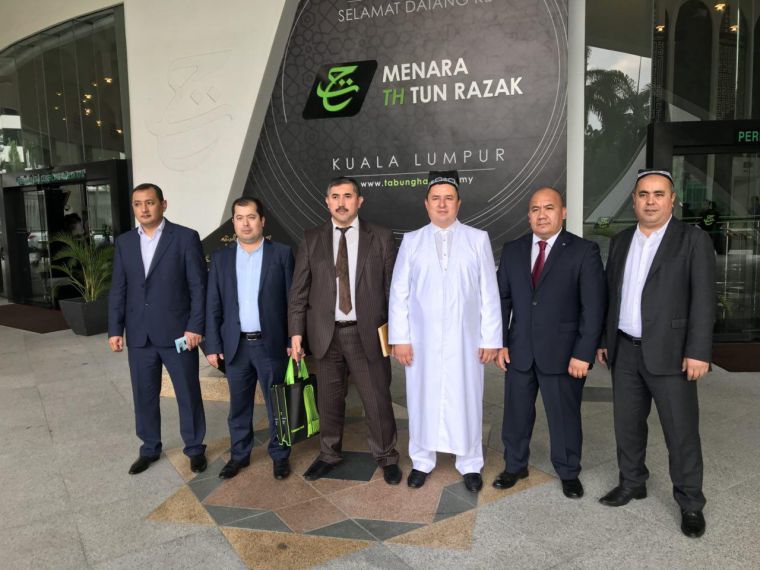
Grand scale of works on promoting tourism is carried out by Committee on religious affairs under the Cabinet Ministers of Uzbekistan. For this reason the Delegation from Uzbekistan visited Malaysia. On December 13th they arrived in Kuala Lumpur international airport.
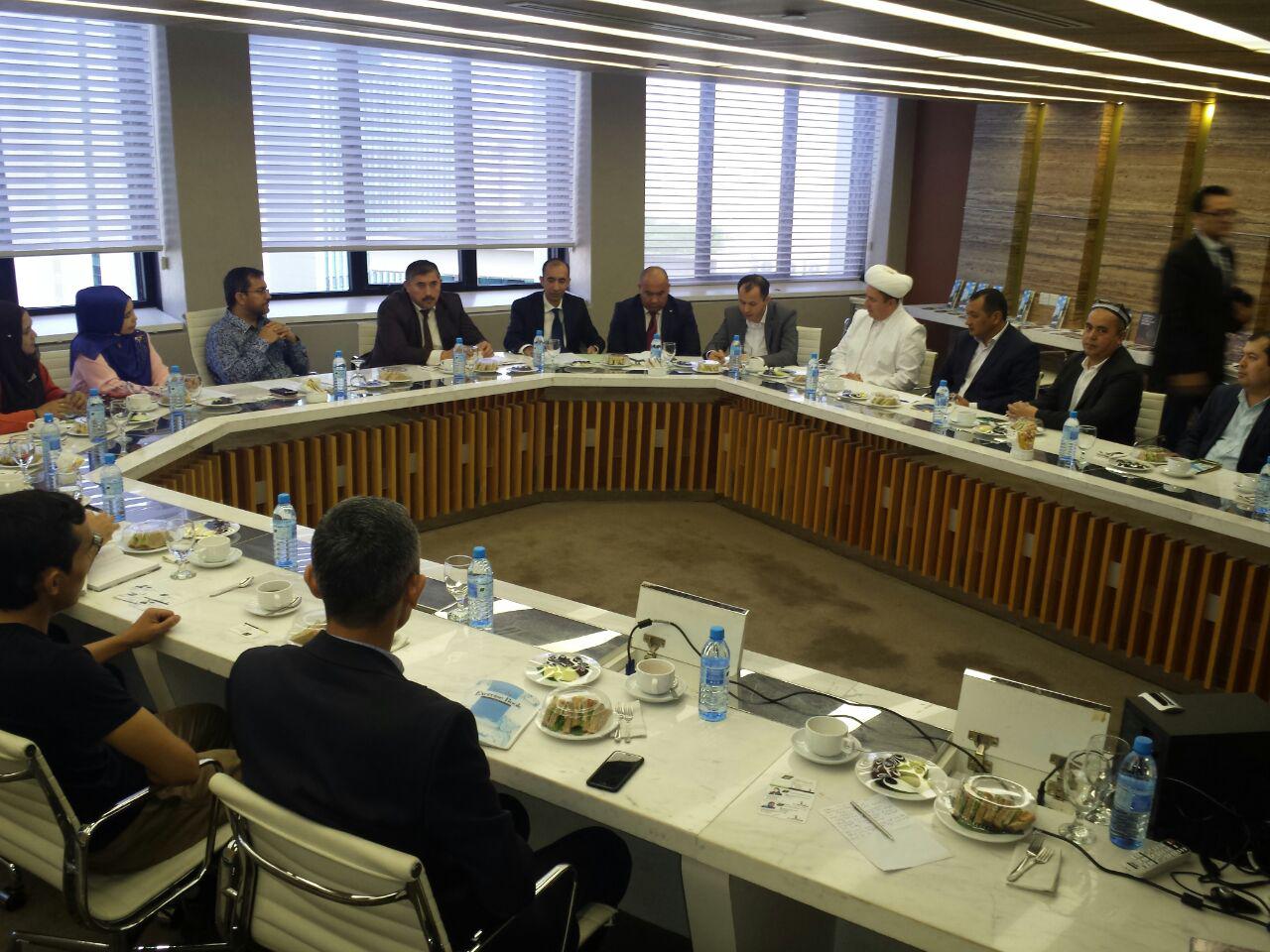
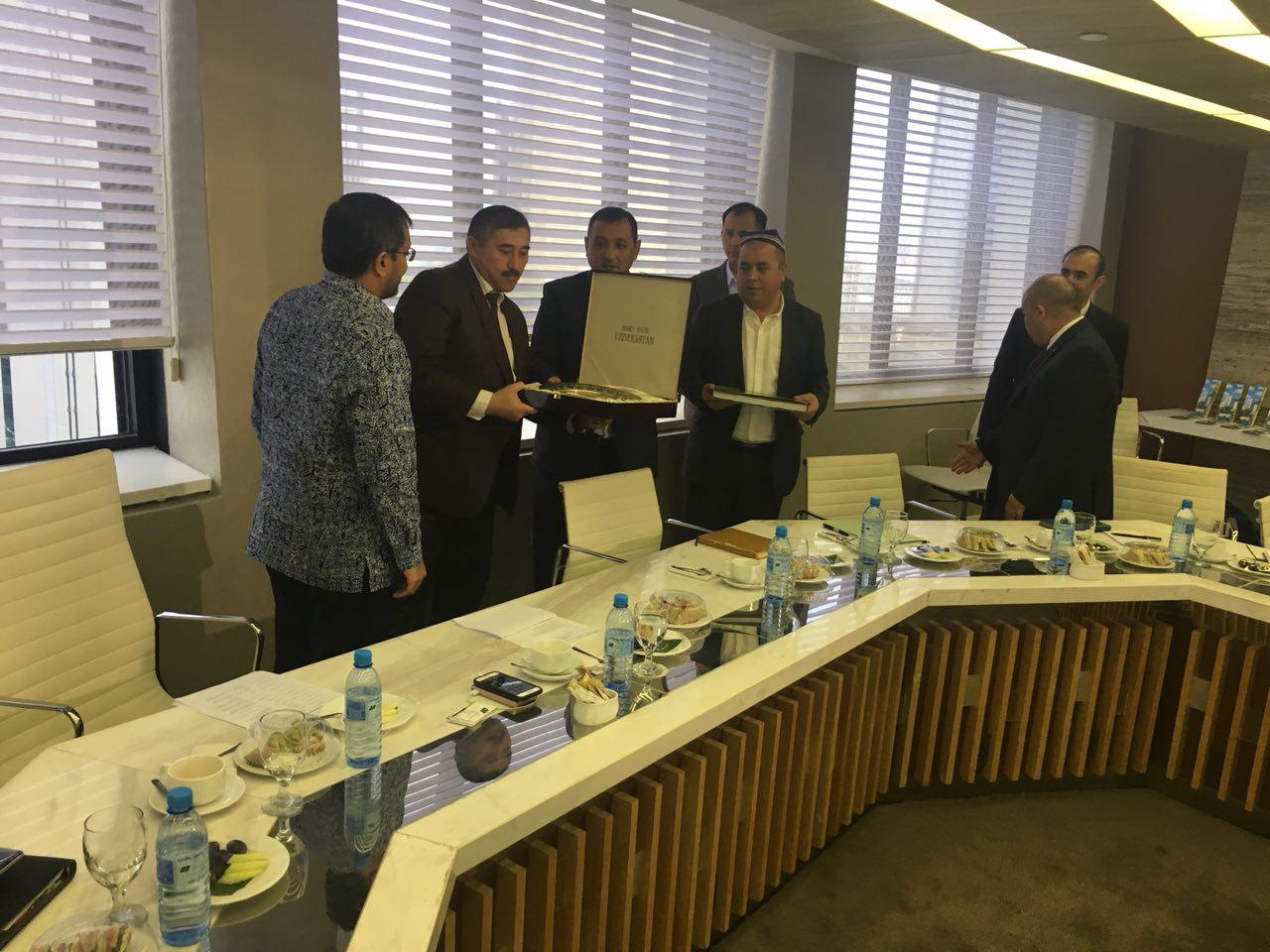
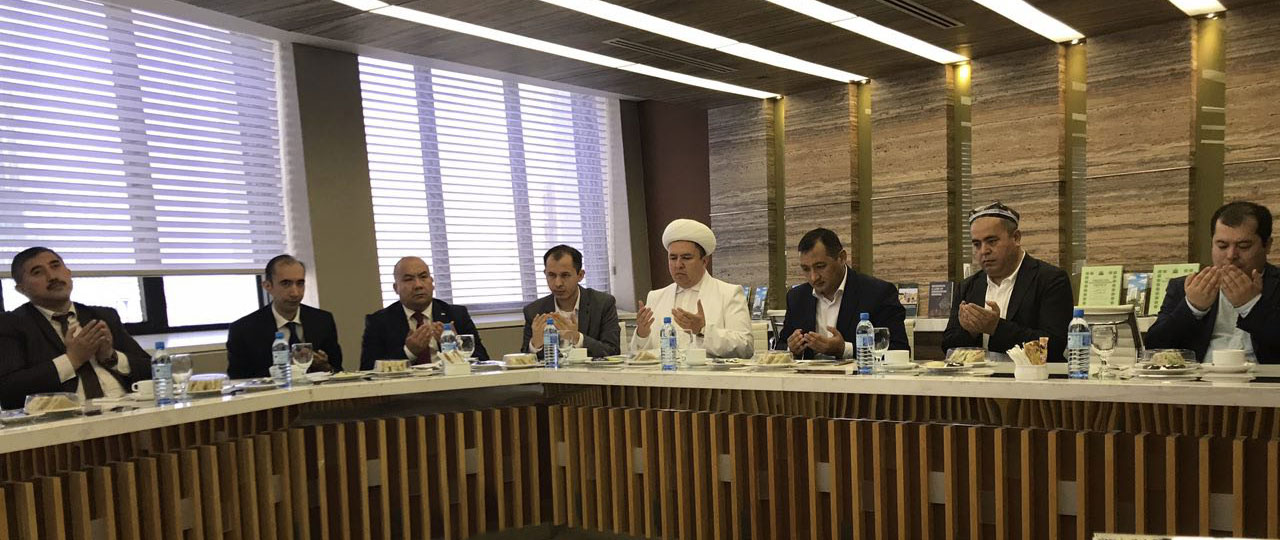
On December 14th the delegation met with the representatives from “Tabung Khaji” fund which specializes in haj issues. The delegation from our country presented gifts to Malaysian partners on behalf of Usmankhan Alimov, the Chairman of Muslim Board of Uzbekistan.
Earlier the delegation from Uzbekistan for the first time participated in “Travel Turkey Izmir-2017”. Besides, in order to create more opportunities for the ziyarat tourists Tashkent International Airport opened pray room.
Beginning from January 1st 2018 minimum 1/10 of every hotel is to have Koran, prayer mat and Kibla indicator.
On December 14th Uzbek delegation visited “MATTA” headquarters, touristic association with more than 3100 tourist agencies. The main responsibility of the association is to protect interests of touristic agencies. At the end of the meeting the delegation from Uzbekistan handed over the gifts of Usmankhon Alimov, the Chairman of Muslim Board of Uzbekistan.
An article entitled “4 Eras and 10 Figures Tell the History of Islam in Uzbekistan” has been published on the website of Qatar-based television network “Al Jazeera”, reports Dunyo IA.
Article was authored by “Al Jazeera” media network journalist Muhammad Ammari, who took part in the international media forum recently held in Tashkent and Samarkand.
Article highlights the Center for Islamic Civilization in Uzbekistan and the museum located within the center. It provides an in-depth account of the formation and development of Islamic civilization in the territory of Uzbekistan through historical monuments, manuscripts, archaeological finds and the scientific legacy of outstanding thinkers.
Article notes that the museum houses around 8,000 historical artefacts and exhibits, through which the contribution of the peoples of Mawarannahr to the development of science and culture from ancient times is showcased.
Particular attention in the article is given to the fact that the museum’s exhibitions cover four major historical periods. These include the pre-Islamic era, the period of the First Renaissance in Mawarannahr, Temurid era, as well as a separate hall displaying valuable Quran manuscripts that constitute an important part of the heritage of Islamic civilization.
A significant part of the article is devoted to outstanding scholars and thinkers who left a profound mark on the history of Uzbekistan and Central Asia. The article highlights the contributions of Muhammad al-Khwarizmi, Ahmad al-Farghani, Imam al-Bukhari, Imam al-Tirmidhi, Abu Ali ibn Sina, Abu Rayhan al-Biruni, Abu Nasr al-Farabi, Mirza Ulugh Beg, Kamal al-Din Behzad, Amir Temur, and Zahiriddin Muhammad Babur to the development of science, religion, culture, art and governance.
Overall, the article seeks to demonstrate that the territory of present-day Uzbekistan has, since ancient times, been one of the major centers of Eastern civilization.
Article also emphasizes that historical exhibits at the museum are harmoniously integrated with modern technologies, including 3D reconstructions, interactive screens, and multimedia tools. This enables Uzbekistan’s rich historical, scientific and cultural heritage to be presented extensively to both local residents and international tourists.