The site is working in test mode!
04 November, 2026   |   24 Jumādá al-ūlá, 1448

Tashkent city
Fajr
05:37
Sunrise
06:58
Dhuhr
12:12
Asr
15:34
Maghrib
17:18
Isha
18:33
Bismillah
04 November, 2026, 24 Jumādá al-ūlá, 1448

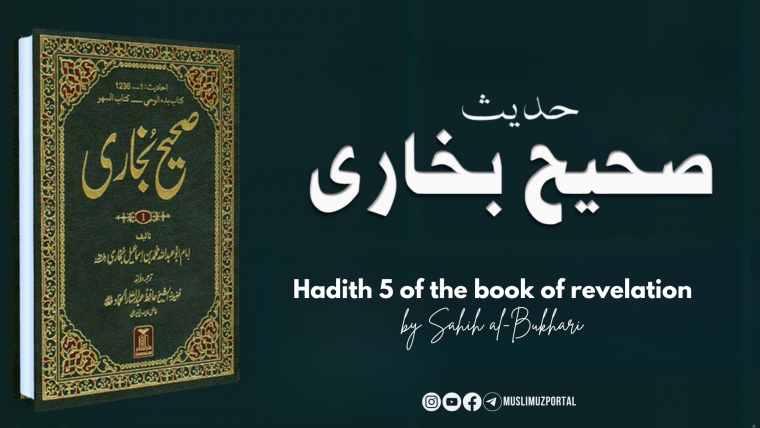
Hadith 5 of the book of revelation by Sahih al-Bukhari

16.12.2024   134890   3 min.
Hadith 5 of the book of revelation by Sahih al-Bukhari

(5) Hadith 5 of the book of revelation by Sahih al-Bukhari

حَدَّثَنَا مُوسَى بْنُ إِسْمَاعِيلَ، ‏‏‏‏‏‏قَالَ:‏‏‏‏ حَدَّثَنَا أَبُو عَوَانَةُ، ‏‏‏‏‏‏قَالَ:‏‏‏‏ حَدَّثَنَا مُوسَى بْنُ أَبِي عَائِشَةَ، ‏‏‏‏‏‏قَالَ:‏‏‏‏ حَدَّثَنَا سَعِيدُ بْنُ جُبَيْرٍ، ‏‏‏‏‏‏عَنِ ابْنِ عَبَّاسٍ، ‏‏‏‏‏‏فِي قَوْلِهِ تَعَالَى:‏‏‏‏ "لا تُحَرِّكْ بِهِ لِسَانَكَ لِتَعْجَلَ بِهِ سورة القيامة آية 16، ‏‏‏‏‏‏قَالَ:‏‏‏‏ كَانَ رَسُولُ اللَّهِ صَلَّى اللَّهُ عَلَيْهِ وَسَلَّمَ يُعَالِجُ مِنَ التَّنْزِيلِ شِدَّةً، ‏‏‏‏‏‏وَكَانَ مِمَّا يُحَرِّكُ شَفَتَيْهِ، ‏‏‏‏‏‏فَقَالَ ابْنُ عَبَّاسٍ:‏‏‏‏ فَأَنَا أُحَرِّكُهُمَا لَكُمْ كَمَا كَانَ رَسُولُ اللَّهِ صَلَّى اللَّهُ عَلَيْهِ وَسَلَّمَ يُحَرِّكُهُمَا، ‏‏‏‏‏‏وَقَالَ سَعِيدٌ:‏‏‏‏ أَنَا أُحَرِّكُهُمَا كَمَا رَأَيْتُ ابْنَ عَبَّاسٍ يُحَرِّكُهُمَا، ‏‏‏‏‏‏فَحَرَّكَ شَفَتَيْهِ، ‏‏‏‏‏‏فَأَنْزَلَ اللَّهُ تَعَالَى:‏‏‏‏ لا تُحَرِّكْ بِهِ لِسَانَكَ لِتَعْجَلَ بِهِ ‏‏‏‏ 16 ‏‏‏‏ إِنَّ عَلَيْنَا جَمْعَهُ وَقُرْءَانَهُ ‏‏‏‏ 17 ‏‏‏‏ سورة القيامة آية 16-17، ‏‏‏‏‏‏قَالَ:‏‏‏‏ جَمْعُهُ لَهُ فِي صَدْرِكَ وَتَقْرَأَهُ، ‏‏‏‏‏‏فَإِذَا قَرَأْنَاهُ فَاتَّبِعْ قُرْءَانَهُ سورة القيامة آية 18، ‏‏‏‏‏‏قَالَ:‏‏‏‏ فَاسْتَمِعْ لَهُ وَأَنْصِتْ ثُمَّ إِنَّ عَلَيْنَا بَيَانَهُ سورة القيامة آية 19، ‏‏‏‏‏‏ثُمَّ إِنَّ عَلَيْنَا أَنْ تَقْرَأَهُ، ‏‏‏‏‏‏فَكَانَ رَسُولُ اللَّهِ صَلَّى اللَّهُ عَلَيْهِ وَسَلَّمَ بَعْدَ ذَلِكَ إِذَا أَتَاهُ جِبْرِيلُ اسْتَمَعَ، ‏‏‏‏‏‏فَإِذَا انْطَلَقَ جِبْرِيلُ قَرَأَهُ النَّبِيُّ صَلَّى اللَّهُ عَلَيْهِ وَسَلَّمَ كَمَا قَرَأَهُ".

Sahih hadith:
Narrated Said bin Jubair: Ibn 'Abbas in the explanation of the statement of Allah Move not your tongue concerning (the Quran) to make haste therewith. (75.16) said Allah's Apostle used to bear the revelation with great trouble and used to move his lips (quickly) with the Inspiration. Ibn 'Abbas moved his lips saying, I am moving my lips in front of you as Allah's Apostle used to move his. Said moved his lips saying: I am moving my lips, as I saw Ibn 'Abbas moving his. Ibn 'Abbas added, So Allah revealed 'Move not your tongue concerning (the Qur'an) to make haste therewith. It is for Us to collect it and to give you (O Muhammad) the ability to recite it (the Quran)' (75.16-17) which means that Allah will make him (the Prophet) remember the portion of the Qur'an which was revealed at that time by heart and recite it. The statement of Allah: 'And when we have recited it to you (O Muhammad through Gabriel) then you follow its (Quran) recital' (75.18) means 'listen to it and be silent.' Then it is for Us (Allah) to make it clear to you' (75.19) means 'Then it is (for Allah) to make you recite it (and its meaning will be clear by itself through your tongue). Afterwards, Allah's Apostle used to listen to Gabriel whenever he came and after his departure he used to recite it as Gabriel had recited it.

Reference:
Sahih al-Bukhari 1: Chapter 1, Hadith 5.

Other posts
News

“Tehran Times” Newspaper: Centre of Islamic Civilisation symbolises Cultural Heritage of Uzbekistan on the global stage

04.11.2026   2410   1 min.
 “Tehran Times” Newspaper: Centre of Islamic Civilisation symbolises Cultural Heritage of Uzbekistan on the global stage

Iran’s “Tehran Times” newspaper has published an article dedicated to the Center for Islamic Civilization in Tashkent and Uzbekistan’s historical and cultural ties with Iran and other countries of the Islamic world, reports Dunyo IA.

Author, who visited the centre, highlighted its extensive exhibition, which brings together archaeological finds, ancient manuscripts, works of art and modern interactive technologies. Particular attention is given to the legacy of outstanding scholars, including Ibn Sina, Al-Khwarizmi, Al-Biruni and Al-Farabi.

Article emphasises that the history of Central Asia has been shaped by centuries of interaction among different peoples, cultures and scholarly traditions. The region’s historical ties with Iran are cited as an example, including the influence of Persian literature, architecture and miniature painting.

Author also highlighted the role of the Center for Islamic Civilization in preserving historical memory and presenting Uzbekistan’s cultural heritage within the broader context of links between civilizations.