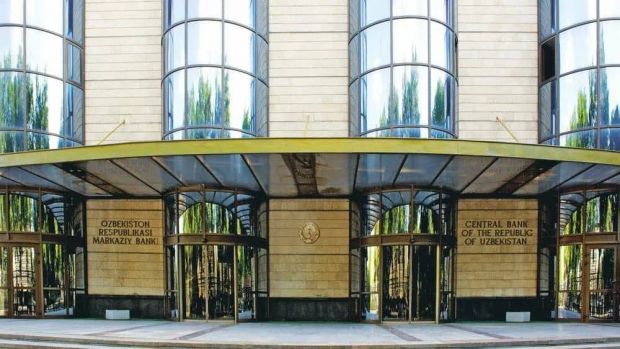
The Central Bank expects to establish at least 10 full-fledged Islamic banks by 2030. Also, “Islamic windows” — branches providing Sharia financial services — will appear in three state banks. The Central Bank considers Islamic finance as a tool for withdrawing funds from the shadow economy.
Why is this important
According to a UNDP survey, 68% of Uzbekistan’s population does not want to use traditional banking services due to religious beliefs. Launching Islamic banks will expand financial inclusion, increase bank assets, and reduce the share of the shadow economy. This is the largest transformation of the financial system since independence.
What happened
Draft law
The document introduces the concepts of “Islamic banking activity”, “Islamic financial operations”, “investment deposit”, and others. A separate license is provided for Islamic banks. Classical banks will be able to organize “Islamic windows” if they have a license.
Islamic products: Murabaha (deferred trade financing), Mudaraba (investment partnership), Mushoraka (joint venture), Wakala (agency financing), Salam (prepayment of goods).
Features of regulation
Assessment of demand
The Deputy Chairman of the Central Bank clarified: when we talk about 50-60% of the population preferring Islamic finance, we are talking about those who prefer it. Those who categorically refuse traditional services are significantly fewer.
Context
Islamic finance prohibits the collection of interest (riba) and speculative operations. Instead, partnership models are used, where the bank and the client share profits and risks. Uzbekistan is a predominantly Muslim country (90%+ of the population), where a significant portion of citizens avoid traditional banks for religious reasons.
Creating 10 Islamic banks by 2030 is an ambitious task, given that there are currently around 35 commercial banks operating in the country. “Islamic windows” in state banks will allow large players (Uzpromstroybank, Halyk Bank, Asaka Bank) to enter a new segment of clients without creating separate structures.
The Central Bank sees Islamic finance as a tool for combating the shadow economy: religiously motivated citizens who do not trust traditional banks will be able to legalize funds through Sharia products.
A separate tax regime may include benefits for Murabaha-type operations, where the bank formally purchases goods and resells them to the client with a markup — to avoid double taxation.
Uzbekistan’s national pavilion at the international “Umra Plus and Pilgrimage Tourism” exhibition in Istanbul highlighted the country's pilgrimage tourism potential, rich historical and cultural heritage, and growing opportunities in the tourism sector, reports Dunyo IA.
The exhibition was held at the Lütfi Kırdar International Convention and Exhibition Center, bringing together more than 400 international participants and around 1,500 representatives of Türkiye's tourism industry, including hotel chains, airlines, catering and ground service providers, as well as tour operators.
The Uzbekistan national pavilion, organized at the initiative of the Association of Umrah Tourism Organizations, showcased the country's key pilgrimage destinations, sacred sites, rich historical legacy, and modern tourism infrastructure.
Visitors received comprehensive information on the tourism potential of Samarkand, Bukhara, Khiva, Shakhrisabz, Termez, Kokand, and Tashkent, as well as UNESCO World Heritage sites, renowned Islamic shrines, and the facilities and services created to ensure a comfortable experience for pilgrims.
The exhibition also featured presentations highlighting Uzbekistan's national traditions, handicrafts, cuisine, culture of hospitality, and ongoing reforms in the tourism sector.
In addition, a series of bilateral B2B meetings was held with tour operators, airlines, hotel industry representatives, and pilgrimage tourism stakeholders from Türkiye, the Middle East, and other countries. The discussions focused on increasing the flow of pilgrims to Uzbekistan, developing joint travel packages, and expanding bilateral cooperation.
The event was attended by representatives of the General Directorate of Hajj and Umrah under the Presidency of Religious Affairs of Türkiye (Diyanet), leaders of industry associations, and international tourism professionals.
The exhibition concluded with an award ceremony. It was noted that Uzbekistan's participation marked another important step toward strengthening the country's position as one of Central Asia's leading pilgrimage tourism destinations.