Shaykh Alijon Qori Departs for the United States
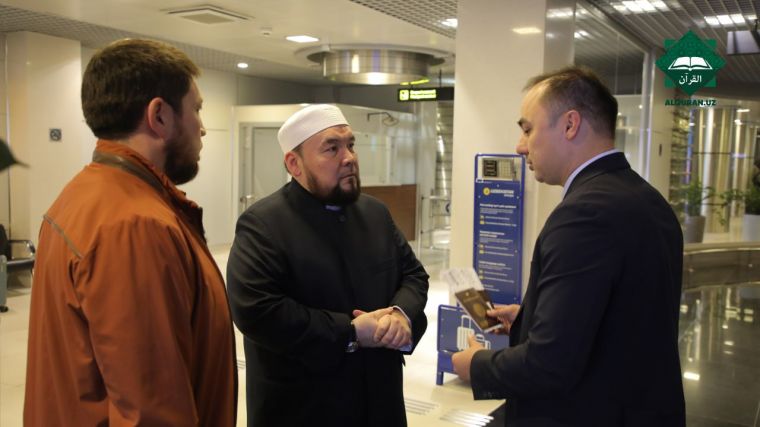
At the initiative of the Chairman of the Muslim Board of Uzbekistan, Mufti Shaykh Nuriddin Khaliqnazar, it has become a tradition to send Uzbek scholars abroad to meet with compatriots, listen to their suggestions and needs, and strengthen spiritual and educational ties.
As part of this initiative, the Head of the “Qur’an and Tajweed Teaching Department,” Shaykh Alijon Qori Fayzullah Mahdum, has departed for an official visit to the United States.
During the trip, he is scheduled to help enhance the knowledge of Qur’an recitation and tajweed among our compatriots living in the U.S. and to take part in the final stage of the ongoing Qur’an competition held there.
May Allah Almighty make this journey beneficial, fruitful, and safe.
Press Service of the Muslim Board of Uzbekistan

Bank employees from Uzbekistan complete advanced training on Islamic banking in Malaysia
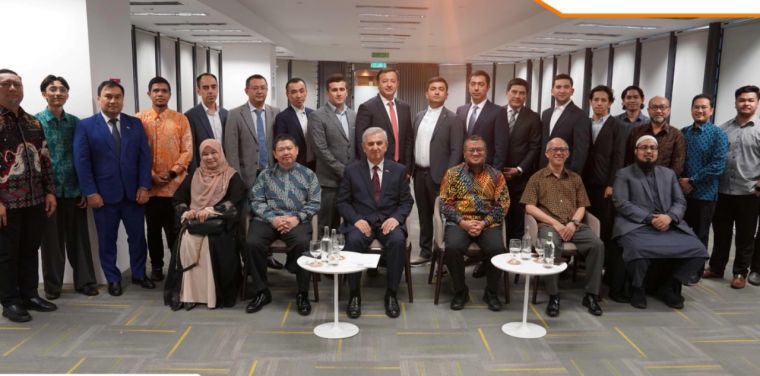
Representatives of the banking and financial sector of Uzbekistan upgraded their qualifications by participating in the “Islamic Banking Window” training and practical program, organized by the Association of Shariah Advisors in Islamic Finance Malaysia (ASAS), reports Dunyo IA.
Ambassador of Uzbekistan Karomiddin Gadoev, noted that on the initiative of the Head of State, large-scale reforms to introduce Islamic finance have been launched in the country, and the adoption of the relevant law this year marked a turning point in the development of this sector. He highlighted three key advantages of the Malaysian experience: the parallel functioning of conventional and Islamic banking systems under a single regulator, centralized Shariah oversight through a single board under the Central Bank and the “Islamic window” model, which allows for the launch of Islamic financial services without establishing separate banks.
Dr. Muhd Ramadhan Fitri, Deputy Chief Executive Officer of “Maybank Islamic Berhad”, noted Uzbekistan's steps in this sector and expressed readiness to provide practical and technical support in establishing “Islamic windows” and financial infrastructure.
Head of ASAS, Makhtar Abdullah, remarked that the seminar participants had acquired advanced knowledge in the areas of Islamic finance instruments, Shariah governance and the organization of “Islamic windows” in commercial banks. Such programs, as noted in the publication, serve as a foundation for elevating Uzbek-Malaysian financial cooperation to a new stage.
