Saudi Arabia Shortens Umrah Visa Validity to One Month
04.11.2025
157905
1 min.
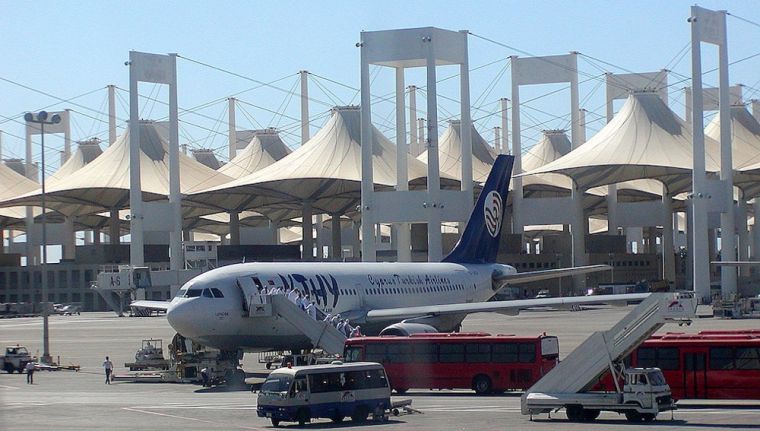
Umrah entry visas now valid for one month instead of three from issuance date.
Saudi Arabia’s Ministry of Hajj and Umrah has reduced the validity period for Umrah entry visas from three months to one month from issuance date, though the permitted stay duration remains unchanged at three months after arrival.
The new regulations take effect next week (November 1, 2025) amid a record-breaking Umrah season that has already seen over four million visas issued to foreign pilgrims.
Under the updated system, Umrah visas will automatically cancel if pilgrims fail to enter Saudi Arabia within 30 days of issuance.
The three-month allowance for staying in the Kingdom after arrival remains unaffected, preserving pilgrims’ flexibility once they enter the country.
Ahmed Bajaeifer, advisor at the National Committee for Umrah and Visit, confirmed the changes to prepare for expected pilgrim increases following summer’s end and cooler temperatures in Mecca and Medina.
The current Umrah season, beginning in early June, has achieved unprecedented numbers with four million foreign pilgrims arriving within just five months. This volume surpasses previous full-season totals, demonstrating growing global demand for Umrah pilgrimage opportunities.
SHARE INFORMATION ON SOCIAL NETWORKS



 Iman
Iman  Prayer
  Fasting
  Zakat
Zakat  Haj
Haj  Qur`an
  Lessons of Islam
  Contact