Saudi Arabia Shortens Umrah Visa Validity to One Month
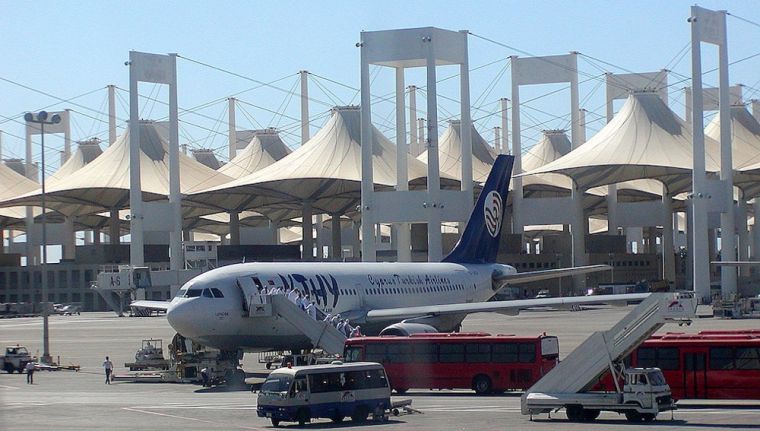
Umrah entry visas now valid for one month instead of three from issuance date.
Saudi Arabia’s Ministry of Hajj and Umrah has reduced the validity period for Umrah entry visas from three months to one month from issuance date, though the permitted stay duration remains unchanged at three months after arrival.
The new regulations take effect next week (November 1, 2025) amid a record-breaking Umrah season that has already seen over four million visas issued to foreign pilgrims.
Under the updated system, Umrah visas will automatically cancel if pilgrims fail to enter Saudi Arabia within 30 days of issuance.
The three-month allowance for staying in the Kingdom after arrival remains unaffected, preserving pilgrims’ flexibility once they enter the country.
Ahmed Bajaeifer, advisor at the National Committee for Umrah and Visit, confirmed the changes to prepare for expected pilgrim increases following summer’s end and cooler temperatures in Mecca and Medina.
The current Umrah season, beginning in early June, has achieved unprecedented numbers with four million foreign pilgrims arriving within just five months. This volume surpasses previous full-season totals, demonstrating growing global demand for Umrah pilgrimage opportunities.
Mohammed Said Amur Al-Hajri: Uzbekistan is a shining example of a modern presentation of historical heritage using advanced technologies

Dr. Mohammed Said Amur Al-Hajri, a member of the State Council of Oman (Senator) and a participant in the 1st International Forum of Islamic Civilization “The Path of Peace, tolerance and enlightenment” held on July 7–11 this year in cooperation with ICESCO, shared his impressions of the forum on his “X” social media page, reports Dunyo IA.
According to the Senator, International Forum, which brought together religious figures, scholars, researchers, thinkers, and experts from 80 countries, served as an important platform for strengthening inter-civilizational dialogue and promoting the ideas of tolerance and enlightenment.
High-ranking official from Oman noted that during the forum, he had the opportunity to familiarize himself with Uzbekistan's experience in the modern presentation of Islamic civilization heritage. In his view, the Center of Islamic Civilization in Tashkent, along with the scientific and educational complexes in Samarkand and Termez, are shining examples of how the rich heritage of great ancestors can be effectively transmitted to new generations, presenting history in an engaging and accessible format using modern technologies.
Furthermore, Dr. Mohammed Al-Hajri stated that in his report titled “Intellectual potential of Islamic Civilization: Historical experience and its examples”, presented within the framework of the forum, he paid special attention to the experience of the First and Second Renaissances in Uzbekistan. He characterized the Center of Islamic Civilization in Tashkent as a practical embodiment of a wise approach aimed at strengthening national development and nationwide unity.
“I was particularly pleased by the respect shown to Oman, its history, culture, and policy based on the principles of tolerance. Cultural cooperation between Uzbekistan and Oman relies on the shared spiritual values of our peoples”, - Senator wrote.
He also noted that during the meetings in Samarkand and Termez, he was once again able to experience the traditional hospitality and openness of the Uzbek people. In conclusion, the Senator expressed confidence that Uzbekistan, possessing a rich historical heritage, will continue to make a worthy contribution to the development of the Islamic world and all of humanity.
