Saudi Arabia Shortens Umrah Visa Validity to One Month
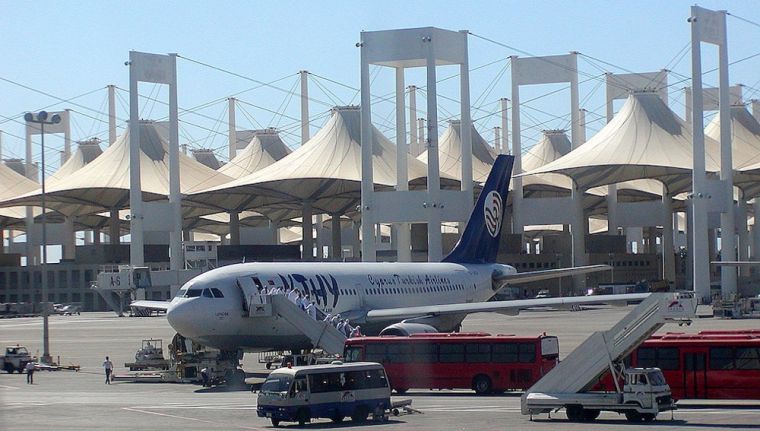
Umrah entry visas now valid for one month instead of three from issuance date.
Saudi Arabia’s Ministry of Hajj and Umrah has reduced the validity period for Umrah entry visas from three months to one month from issuance date, though the permitted stay duration remains unchanged at three months after arrival.
The new regulations take effect next week (November 1, 2025) amid a record-breaking Umrah season that has already seen over four million visas issued to foreign pilgrims.
Under the updated system, Umrah visas will automatically cancel if pilgrims fail to enter Saudi Arabia within 30 days of issuance.
The three-month allowance for staying in the Kingdom after arrival remains unaffected, preserving pilgrims’ flexibility once they enter the country.
Ahmed Bajaeifer, advisor at the National Committee for Umrah and Visit, confirmed the changes to prepare for expected pilgrim increases following summer’s end and cooler temperatures in Mecca and Medina.
The current Umrah season, beginning in early June, has achieved unprecedented numbers with four million foreign pilgrims arriving within just five months. This volume surpasses previous full-season totals, demonstrating growing global demand for Umrah pilgrimage opportunities.
“Russia News”: Final Declaration of the Forum adopted in Tashkent will serve to restore the Heritage of Islamic Civilization
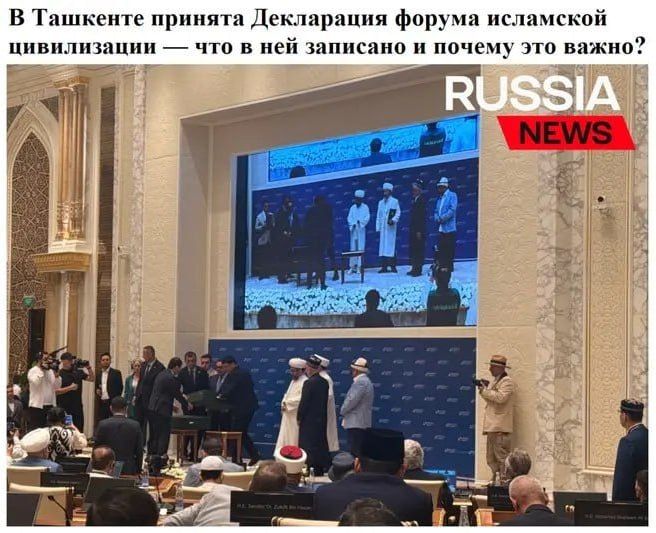
Russian online publication “Russia News” has published an article titled “Declaration of the Islamic Civilization Forum adopted in Tashkent - What is written in it and why is it important?”, reports Dunyo IA.
Publication states that following the 1st International Forum of Islamic Civilization “The Path of Peace, tolerance and enlightenment”, a Declaration was adopted, which outlines a number of concrete initiatives for the revival and promotion of the humanistic heritage of Islamic civilization.
It is noted that the starting point of the Declaration is the initiative of the President of Uzbekistan, Shavkat Mirziyoyev, voiced back in 2017 from the rostrum of the UN General Assembly. At that time, he proposed to engage in the revival and promotion of the humanistic heritage of Islamic civilization. This resulted in the creation of the Center of Islamic Civilization in Uzbekistan and ultimately, the forum itself.
Document was signed by representatives from more than 40 countries. At its core is a simple but important idea: Islamic civilization has made a tremendous contribution to global science, culture, and education, and this contribution is undeservedly underestimated. This is especially true against the backdrop of the fact that Islamophobia, xenophobia and simply distorted perceptions of Islam remain prevalent in the world.
Publication also notes a number of initiatives aimed at preserving and popularizing the Islamic civilizational heritage. Among them are the creation of the World Alliance of Islamic Civilization, digital platforms and libraries, international research programs, awards, funds, an encyclopaedia, as well as platforms for cooperation among scholars, museums, and youth. All proposals have been submitted to the International Council of the Forum for the development of a roadmap for their implementation until 2030.
In conclusion, the publication notes that the Declaration is viewed not as a finality, but as a starting point for further implementation.