News
“Sayeh”: Uzbekistan harmoniously combines the Great Heritage of the Silk Road with Modern Infrastructure
29.09.2026
55159
2 min.
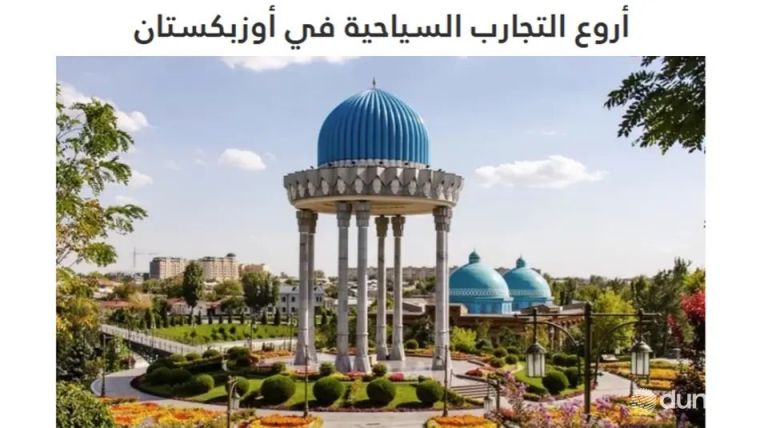
Articles highlighting Uzbekistan’s unique historical and cultural heritage and the dynamic development of its modern tourism infrastructure have been published on the leading Arab tourism portal “Sayeh”, reports Dunyo IA.
In an article under the headline “Samarkand – A Rich History and a Modern Tourism Experience”, particular attention is devoted to the pearl of the Great Silk Road, inscribed on the UNESCO World Heritage List as “Samarkand – Crossroads of Cultures”. The publication provides a detailed account of the Registan Square ensemble, the Gur-e-Amir Mausoleum, the Ulugh Beg Observatory, the Bibi-Khanym Mosque and the Shah-i-Zinda Complex, emphasizing that the unique ancient architecture and blue glazed mosaics preserve the memory of the development of world science, politics and art. At the same time, the article notes that the dynamic development of hotel facilities, transport infrastructure and tourism services is making visits increasingly comfortable.
In the publication “The Most Remarkable Tourism Experiences in Uzbekistan”, the article highlights a comprehensive approach to travelling across the country. A visit to Samarkand is recommended to be combined with trips to Bukhara, with its Poi-Kalyan Ensemble and Ark Citadel, as well as Khiva, home to the open-air museum of Ichan-Kala. The capital, Tashkent, adds the dynamism of a metropolis and the distinctive architecture of its metro, while the mountainous regions of Zaamin and the Tien Shan offer opportunities for ecotourism.
Publication concludes that the key appeal of Uzbekistan as a tourist destination lies in the harmonious combination of its rich historical heritage with the everyday life of modern cities. The country’s renowned hospitality, distinctive national cuisine with its traditional plov-making traditions, the vibrant atmosphere of Eastern bazaars and developing craft workshops give travellers an authentic local experience. The systematic modernization of infrastructure, expanding accommodation options and convenient transport connections make Uzbekistan an ideal destination for international tourists seeking to combine exploring history, immersing themselves in culture and enjoying nature.
SHARE INFORMATION ON SOCIAL NETWORKS



 Iman
Iman  Prayer
  Fasting
  Zakat
Zakat  Haj
Haj  Qur`an
  Lessons of Islam
  Contact