News
“Tatar-Inform” IA: Samarkand – A Unique Crossroads of Eastern and Western Cultures
11.11.2026
39417
1 min.
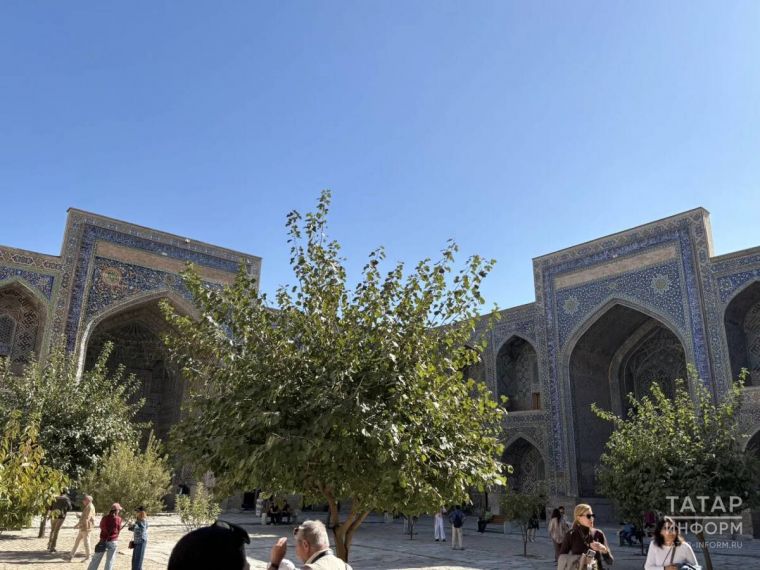
An article by columnist Roman Badanov entitled “A Living Oriental Fairy Tale You Can Touch: Samarkand Through the Eyes of a First-Time Visitor” has been published on the website of the “Tatar-Inform” news agency, reports Dunyo IA.
The article recounts the journalist’s impressions of his visit to Uzbekistan.
The author highlights Samarkand’s rich historical heritage, unique architectural monuments, national traditions, hospitality of local residents, and distinctive Uzbek cuisine. In particular, he provides detailed accounts of such landmarks as Registan Square, the Bibi-Khanym Mosque, the Gur-Emir Mausoleum, the Shah-i-Zinda complex, the Ulugh Beg Observatory, and Siab Bazaar.
The journalist pays special attention to the city’s atmosphere, well-maintained streets, green avenues, cleanliness, and the welcoming nature of its residents. He notes the genuine hospitality of the people of Uzbekistan and the diversity of national cuisine, highlighting traditional dishes and oriental sweets.
The article also covers the World Summit on “Investing in the Well-being of Children”, held in Samarkand on October 21–22, and an international congress on pediatric oncology that brought together experts from 100 countries. The author also introduces readers to the Silk Road complex and its ethnographic space, “Eternal City”.
In conclusion, the author describes Samarkand as a unique crossroads of Eastern and Western cultures, where centuries-old history blends harmoniously with modernity, and expresses hope for further visits to Uzbekistan.
SHARE INFORMATION ON SOCIAL NETWORKS



 Iman
 Prayer
 Fasting
 Zakat
 Haj
 Qur`an
 Lessons of Islam
 Contact