News
“Azzaman” Newspaper: Homeland of Great Thinkers is building a new era of the Third Renaissance through science, innovation, technology and human capital
11.08.2026
61433
2 min.
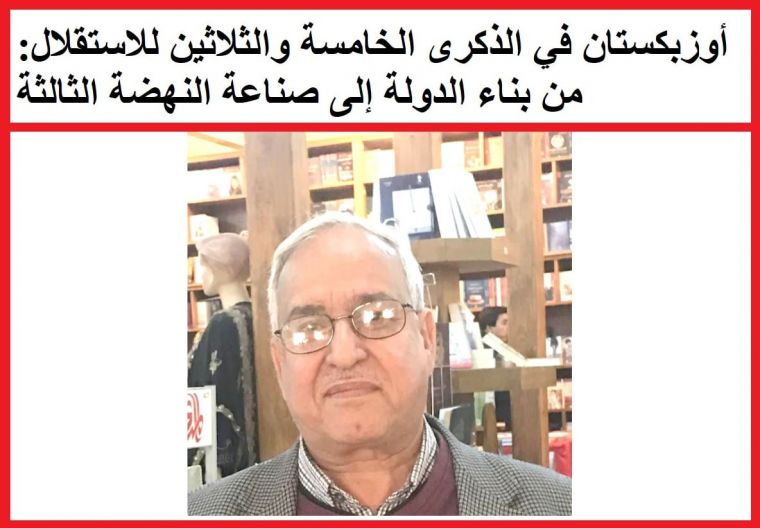
One of Iraq's leading Arabic-language newspapers, “Azzaman”, has published an article entitled “Uzbekistan on the 35th Anniversary of Independence: From State-Building to the Third Renaissance”, reports Dunyo IA .
Article highlights Uzbekistan's development path over the years of independence, the large-scale reforms implemented across the country, and the republic's growing standing on the international stage.
It notes that the country's independence in 1991 marked a historic turning point in the life of the Uzbek people, laying the foundations for national statehood, establishing the basis for economic development and ensuring social stability.
Particular attention is paid to the large-scale transformations carried out since 2016 under the leadership of President Shavkat Mirziyoyev within the framework of the New Uzbekistan concept. The article emphasizes that these reforms have earned the country recognition as a state pursuing consistent and balanced development in Central Asia.
Publication also highlights reforms in the social sphere, including improvements to the social protection system, enhanced quality of education and healthcare, as well as initiatives aimed at expanding the participation of young people and women in public life.
Article places particular emphasis on the concept of the Third Renaissance put forward by President Shavkat Mirziyoyev, describing it as one of the country's key strategic development priorities. It notes that the homeland of such eminent scholars as Muhammad al-Khwarizmi, Abu Rayhan al-Biruni, Abu Ali Ibn Sina, Imam al-Bukhari and Imam al-Tirmidhi is today striving to usher in a new era of the Third Renaissance by advancing science, innovation, technology and human capital.
Publication also highlights Uzbekistan's open, pragmatic and balanced foreign policy, its commitment to the principles of good-neighborliness, and its efforts to strengthen cooperation with international and regional organizations. Particular emphasis is placed on the country's role in promoting peace, stability and regional cooperation in Central Asia.
In conclusion, article emphasizes that Uzbekistan's 35 years of independent development demonstrate its unwavering commitment to the path of renewal, constructive development and sustainable progress. It notes that, by harmoniously combining its rich historical and cultural heritage with modern development principles, the country is laying a solid foundation for a prosperous and sustainable future for coming generations.
SHARE INFORMATION ON SOCIAL NETWORKS



 Iman
Iman  Prayer
  Fasting
  Zakat
Zakat  Haj
Haj  Qur`an
  Lessons of Islam
  Contact